
Why the Future of Transformative Travel Is Being Written in Colombia
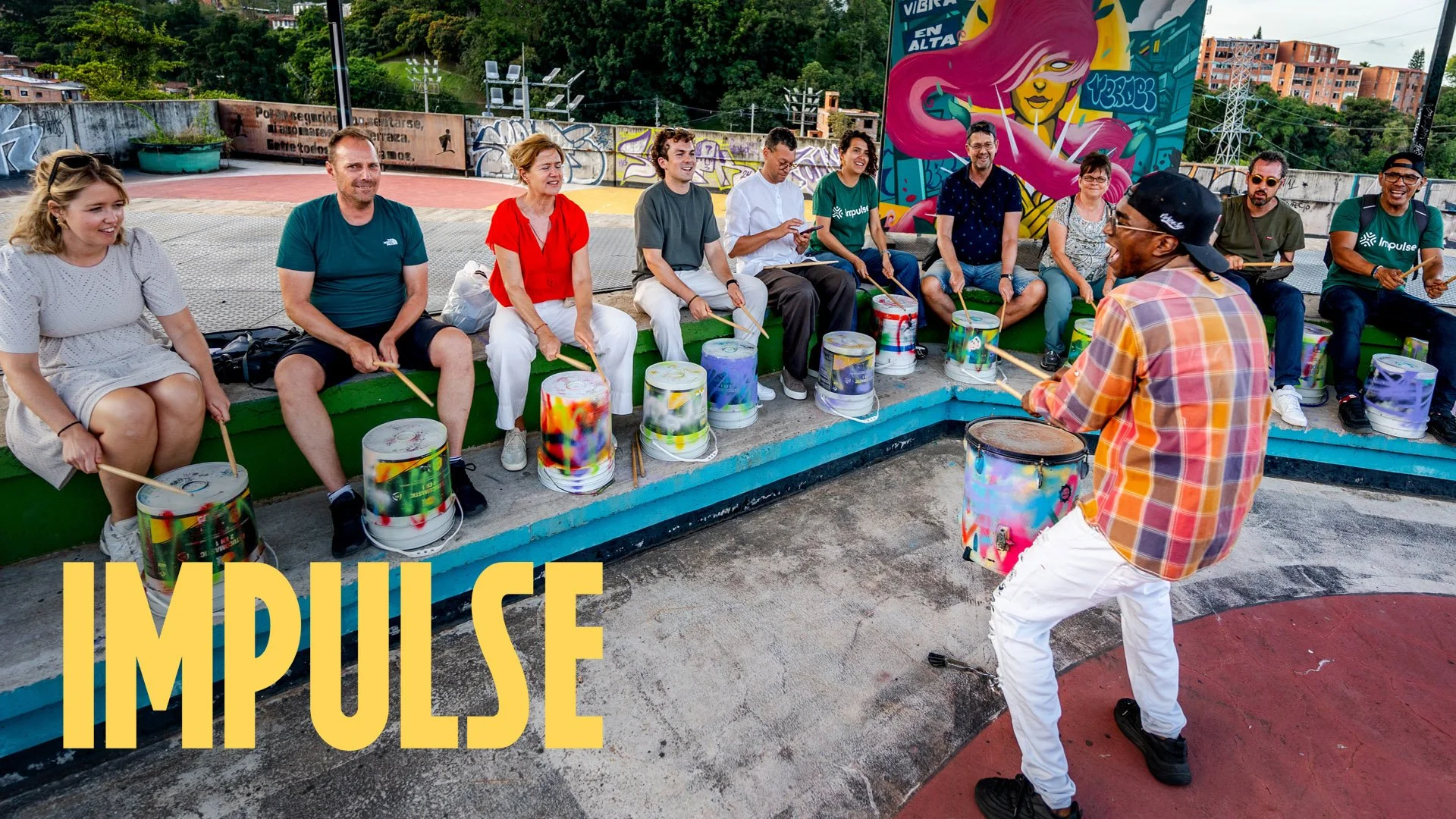
In a world where AI can build you a perfect ten day itinerary in seconds, the real question is no longer where to go. It is why you are going in the first place.
The travel industry has become incredibly good at logistics. Flights, hotels, transfers, even experiences are now seamless and predictable. That is the baseline. That is table stakes.
But when you look at what travelers are actually craving in 2026, it is something very different.
People want to come back changed. Not impressed. Not entertained. Changed. The is the year that Transformative Travel enters the Zeitgeist and we wanted to highlight an excellent example of that with Colombia and Impulse Travel.
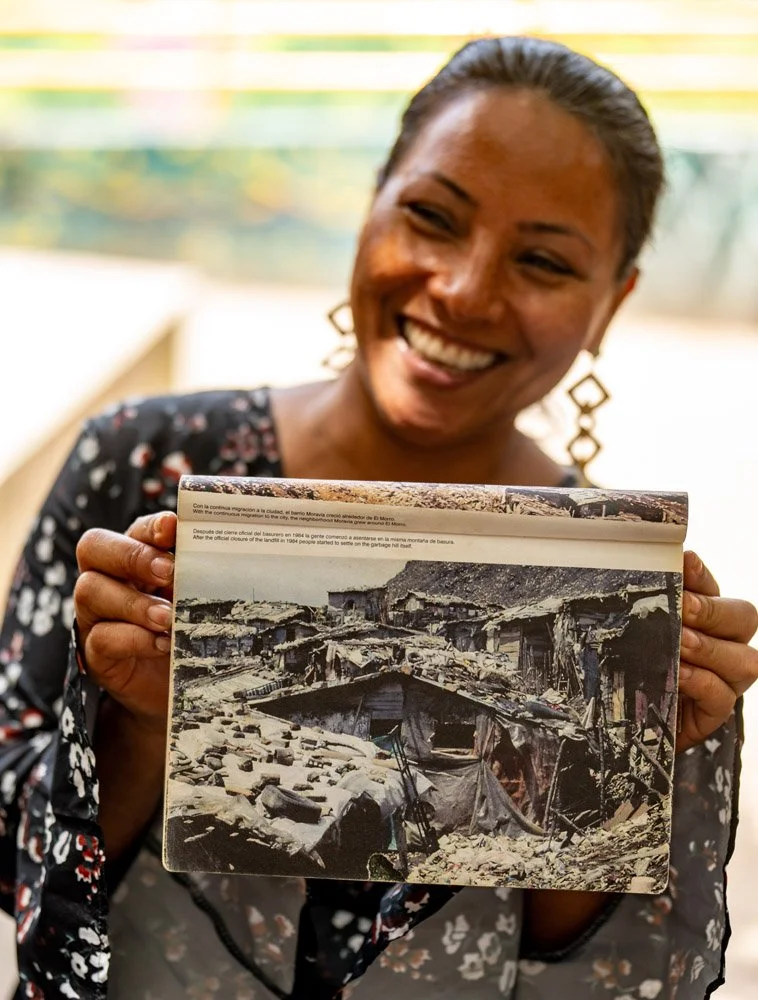
The real ROI is no longer status. Although we all like to share photos and tell stories. It is really about perspective. It comes down to a simple question.
How did this trip change you?
That is the lens we have been exploring on our Travel Trends Podcast with this theme of Transformative Travel, and it is why Colombia keeps coming up in conversations, keynotes, and with Impulse Travel specifically. Dan joined their board because of the incredible work they are doing to get money in the hands of local people and lift up communities.
From Experiences to
Transformation ✣
To understand what is happening here, it helps to zoom out.
Joe Pine, who has joined our Travel Trends podcast multiple times recently, has been talking about the next evolution of economic value. After the Experience Economy comes the Transformation Economy. That shift changes everything.
In the experience economy, businesses stage moments. Think great meals, beautiful hotels, curated tours.
In the transformation economy, businesses take on a different role. They guide. They act as a trustee for change. The outcome is not the memory. The outcome is who you become after it.
Put simply. An experience is a beautiful dinner in Cartagena.A transformation is sitting across from someone who lived through conflict, hearing their story, and realizing your worldview just shifted.
The trip is not the product. The perspective is.
Why Colombia,
Right Now ✣
Colombia is one of the most interesting places in the world to see this play out. The infrastructure is there. The hospitality is there. The diversity of landscapes is there. The value is undeniable. But that is not why it matters.
What makes Colombia different is that it is still actively rewriting its story. You are not walking through a finished narrative. You are stepping into something in motion.
And that really changes how you experience a place.
Impulse Travel has built its entire model around this idea. Instead of focusing on attractions, they focus on people. They identify what they call changemakers. These are individuals who have spent years turning friction into progress.
When you travel through that lens, everything shifts. You are no longer consuming a destination. You are engaging with it. You are not looking at the past. You are participating in the present.
Whether it is artists in Medellín reclaiming neighborhoods through graffiti, former combatants leading rafting expeditions, or a coffee expert who completely rewires how you think about something as simple as a cup of coffee, Colombia offers something rare.
It offers context. And that is one of the most valuable forms of luxury available today.
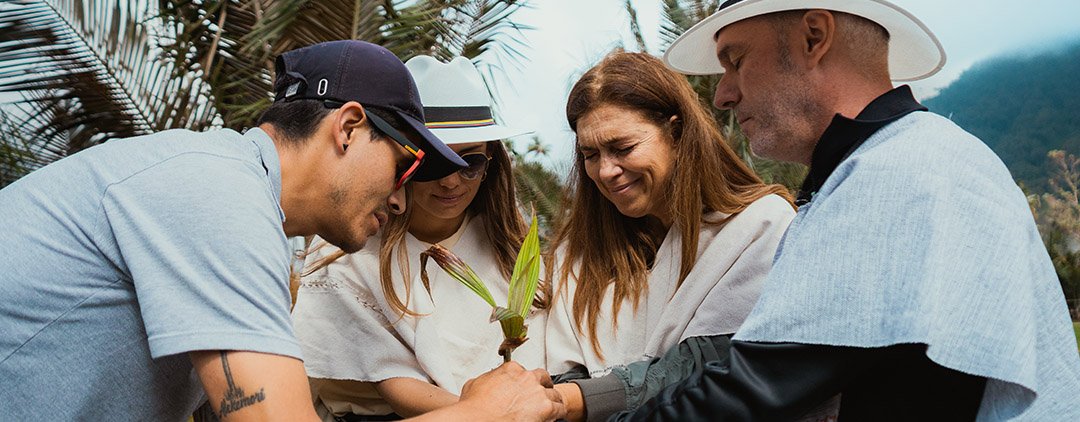
Where AI Falls Short ✣
There is a lot to be excited about when it comes to AI in travel. It is making planning faster. It is improving efficiency. It is changing how people discover destinations.
But there is a limit. AI can optimize for preference. It can give you more of what you already like. It keeps you in your comfort zone.
Transformation does not happen in comfort. It happens in friction. In contrast. In conversations that challenge you. That is where most travel still falls short. And that is where operators like Impulse are building something different.
At the core of their model is something we call relational access. Not access to hidden places, but access to real people and real stories. The kind of access that is built over years of trust.
You cannot scrape that from the internet. You cannot map it. You cannot replicate it with an algorithm. (At least not yet)
How Impulse
Actually Works ✣
Impulse is often described as a DMC, but that label does not really fit anymore.They are not managing destinations. They are connecting travelers to the people shaping those destinations.
That shows up in a few important ways.
First, the role of the guide changes. You are not being led by someone reciting facts. You are spending time with people who are living the story. Social entrepreneurs, artists, academics. The conversation moves from what am I seeing to why does this matter.
Second, there is a balance they describe as sophisticated but raw. Everything around the experience is seamless. Timing, logistics, accommodations are handled at a high level. But the experiences themselves are not polished or sanitized. You feel the complexity of the place.
And that is the point.
Third, impact is not an afterthought. As a B Corp, Impulse is structured so that the value created by tourism flows back into the communities you are engaging with. When travelers can see that their presence matters, the experience becomes something more.
What This Looks
Like on the Ground
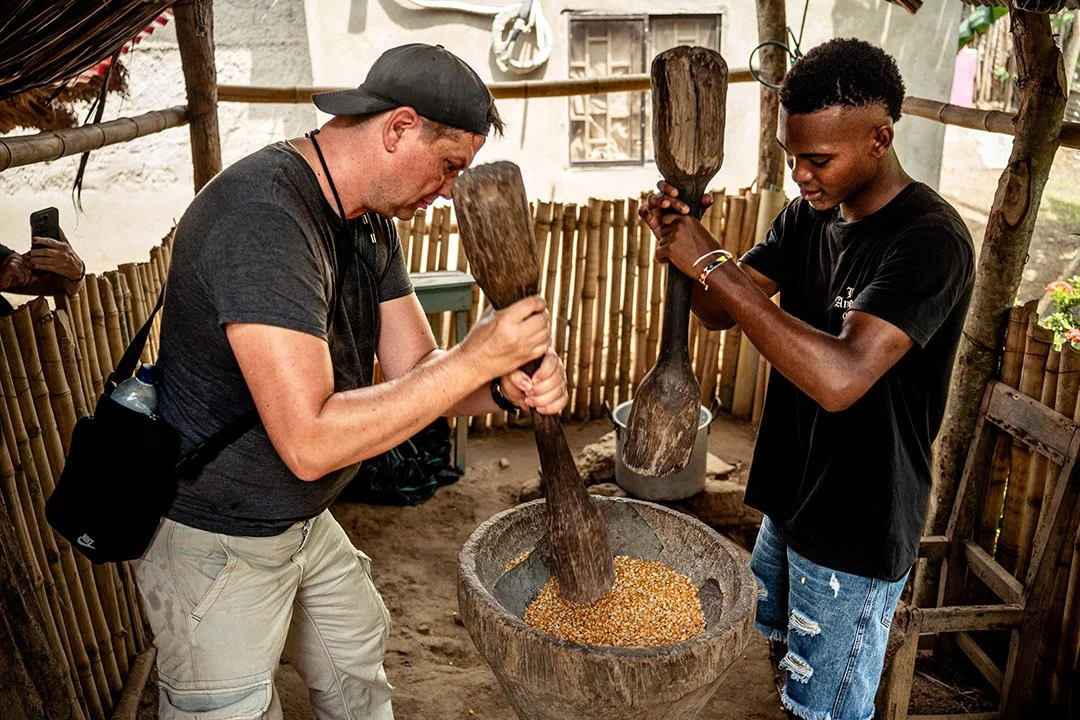
It is one thing to talk about transformation. It is another to feel it.
Take Rafting for peace.
On paper, it is an adventure activity. In reality, it is something very different. You are being guided by people who were once part of the conflict. That realization changes the dynamic immediately. It becomes a lesson in trust, reintegration, and what people are capable of.
Or take Breaking Borders in Bogotá.
You are walking through neighborhoods that were once off limits, alongside artists who have transformed those spaces. The art is not just something you look at. It is a living expression of identity and resilience. You are part of that conversation, whether you realize it or not.
These are not experiences you check off a list. They stay with you.
Why This Matters for the Industry ✣
For the travel industry, this is not a niche trend. It is a direction. As everything becomes more digital, more optimized, more instant, the value of what cannot be digitized increases.
Perspective. Context. Human connection. That is where the next wave of growth is coming from.
Travelers are asking better questions. They want to know where things come from. Who is behind them. What their presence actually does.
And they are willing to invest in that. We do not travel to find ourselves. We travel to meet the people who change how we see the world.
Colombia is no longer emerging. It is leading. And companies like Impulse are showing what the future of travel can look like when you build around people instead of products.
The real luxury is not isolation. It is access.
Access to people, to context, and to conversations that stay with you long after the trip ends.
If that is what you are looking for, Colombia is a perfect place to start.